The Graham Sustainability Institute has awarded seven Sustainability Catalyst Grants for 2026. The selected projects span public health, engineering, design, agriculture, data systems, and the performing arts, connecting University of Michigan researchers with community organizations, practitioners, businesses, and institutions. Each project is designed to inspire progress toward greater sustainability—testing ideas, co-creating tools, and generating knowledge that can inform policy, practice, and future work.
Together, the newly funded projects reflect Graham’s commitment to research that is both rigorous and responsive. “The Sustainability Catalyst Grants fill a critical gap to jumpstart interdisciplinary, engaged research that will have real-world impact,” said Drew Horning, interim director of the Graham Sustainability Institute. “By connecting researchers with community partners and centering practical solutions, these projects lay the foundation for work that can grow, adapt, and endure.”
Two of the grants were made possible through special support from the U-M Institute for Healthcare Policy and Innovation (IHPI), advancing research at the intersection of climate and health. Supported by Lewis G. Sandy, M.D., and Susan Hassmiller, R.N., Ph.D., FAAN, this work highlights the critical role of healthcare systems in building climate resilience and protecting community health.
Applied research is key to translating sustainability goals into real-world practice across sectors. From strengthening protections for communities facing extreme heat to advancing circular economies in Michigan’s agricultural sector, operationalizing sustainability in the performing arts, and clarifying the water and energy implications of digital infrastructure, the 2026 Sustainability Catalyst Grant portfolio sets the stage for multi-sector, user-driven solutions.
Hot Days, Cool Solutions
Helping Health Workers Protect Communities
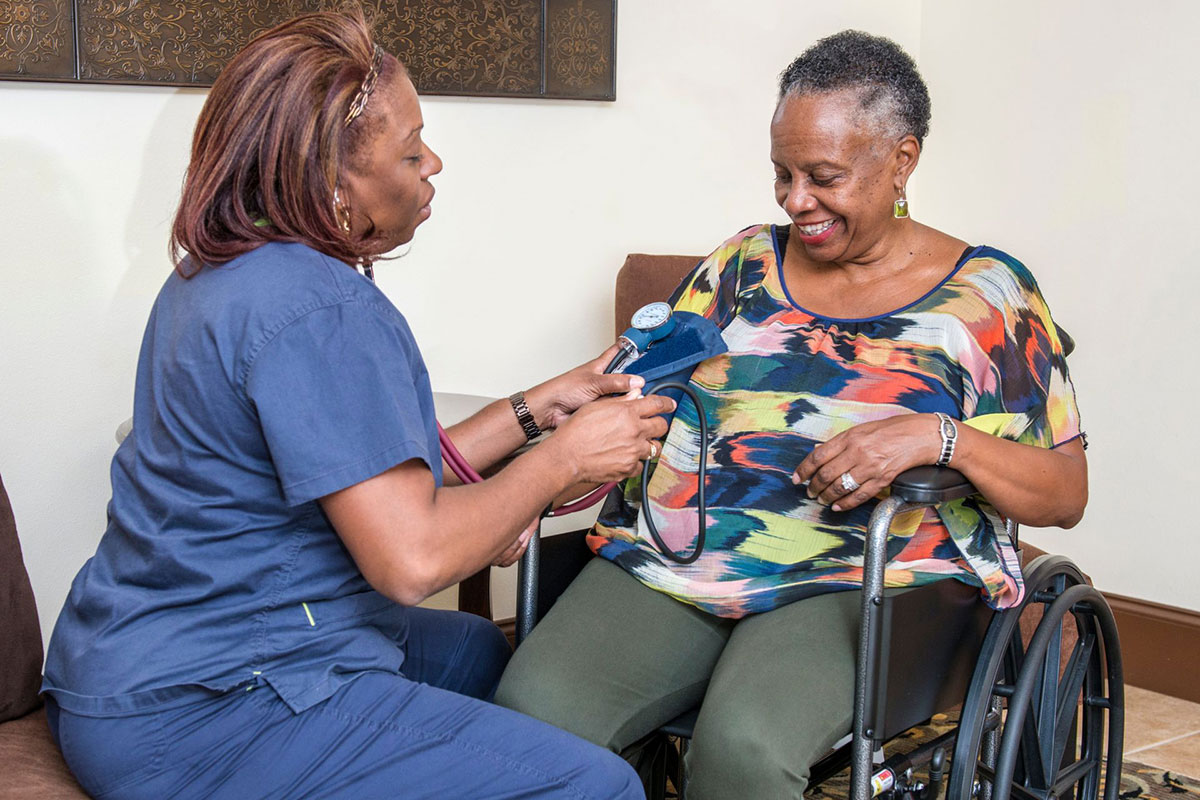
Extreme heat is the leading cause of weather-related deaths, and its risks are increasing as heat waves become more frequent and severe. People with chronic conditions—such as cardiovascular disease and chronic kidney disease—and individuals from racial and ethnic minority communities face disproportionate health impacts during extreme heat events.
Community health workers (CHWs) are trusted frontline professionals who bridge communities and healthcare systems. Because they share social and cultural ties with the communities they serve, CHWs are well positioned to support extreme heat preparedness and improve access to appropriate cooling resources. However, there is a lack of actionable guidance developed with and for CHWs to promote extreme heat preparedness and sustainable cooling strategies.
This project will bring together researchers and community partners to co-create and test a practical educational tool for CHWs to support extreme heat preparedness and sustainable cooling strategies among people with chronic conditions. Developed in partnership with CHWs, healthcare providers, and patient partners, the interactive curriculum will be widely disseminated and formatively evaluated across diverse care contexts. Project partners include Americares, the Harvard C-CHANGE Center, Visión y Compromiso (VyC), and the Michigan Community Health Worker Alliance (MiCHWA).
This project will strengthen community preparedness for extreme heat and equip individuals and families with practical, sustainable solutions for a warming world.
Project team: P. Paul Chandanabhumma, PI (UM-Health), Carina Gronlund, co-I (SPH, ISR), Marie S. O'Neill, co-I (SPH), Jane Berry (UM-Health), Sarah Miles (Michigan Institute for Clinical & Health Research)
This project is funded by the U-M Institute for Healthcare Policy and Innovation (IHPI), with generous support from Lewis G. Sandy, M.D., and Susan Hassmiller, R.N., Ph.D., FAAN.
Clearing the Air
U-M and Okanogan Communities Take on Wildfire Smoke
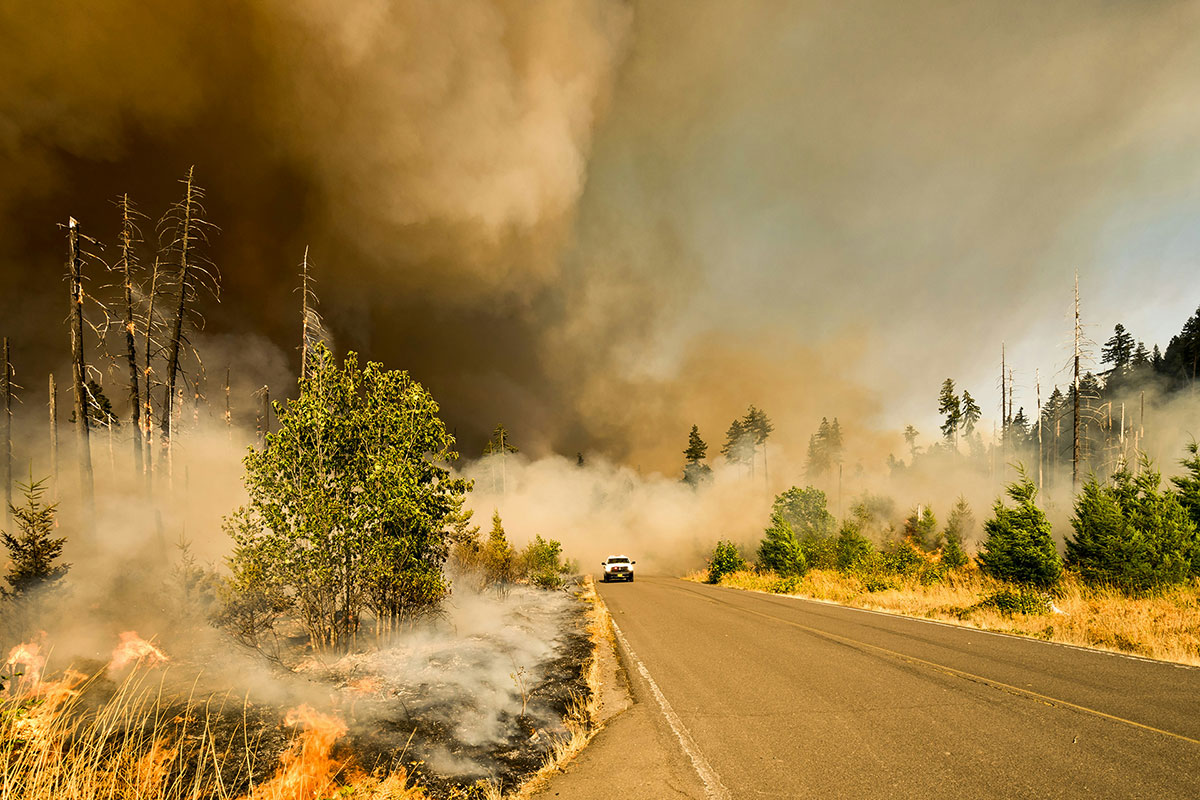
As climate change drives hotter, drier conditions, wildfires are becoming more frequent and severe, making smoke an escalating public health threat. Fine particulate matter penetrates deep into the lungs and bloodstream, affecting respiratory, cardiovascular, and neurological health. By 2050, wildfire smoke could contribute to more than 70,000 excess deaths annually in the U.S., with global premature mortality exceeding 650,000 per year.
Rural communities in the northwestern U.S. face heightened vulnerability. Smoke can become trapped by local topography, outdoor work increases exposure, and limited healthcare access, poverty, and other social factors amplify risk. Residents’ daily responsibilities often limit their ability to respond, and coordinated planning for smoke events is scarce.
This research team is partnering with the Okanogan River Airshed Partnership (ORAP)—a coalition of tribal, local, state, and federal partners—to co-create practical resources for community response. Building on NASA-funded research, the team will develop a Wildfire Smoke Protective Action Guide for residents and outreach materials for policymakers. Students from U-M’s Stamps School of Art & Design will help make materials accessible and engaging.
By integrating local knowledge with expertise in Public Health, Environment & Sustainability, Nursing, Psychology, and Art & Design, this project will strengthen community capacity, encourage adaptive behaviors, and offer a replicable model for rural areas confronting extreme wildfire smoke.
Project team: Simone Charles, PI (SPH), Joseph Trumpey, co-I (Stamps), Alexandra Paige Fischer, co-I (SEAS), Megan Czerwinski, co-I (Nursing), Caroline Beckman, co-I (SEAS), Dani Grant, co-I (SEAS), Elijah Loftis (Okanogan Conservation District), Dana Golden (Methow Valley Citizens' Council), Elizabeth Walker (Clean Air Methow)
This project is funded by the U-M Institute for Healthcare Policy and Innovation (IHPI), with generous support from Lewis G. Sandy, M.D., and Susan Hassmiller, R.N., Ph.D., FAAN.
Seeding Sustainability
Growing the Benefits of Michigan Hemp Production
Michigan-grown hemp holds promise as a fast-growing, pest-resistant, carbon-sequestering crop, capable of capturing 2–3 tons of carbon per acre and locking it into long-lasting products. Yet farmers often lack the tools and infrastructure to efficiently turn their harvests into high-value materials, and research gaps remain in optimizing processing methods.
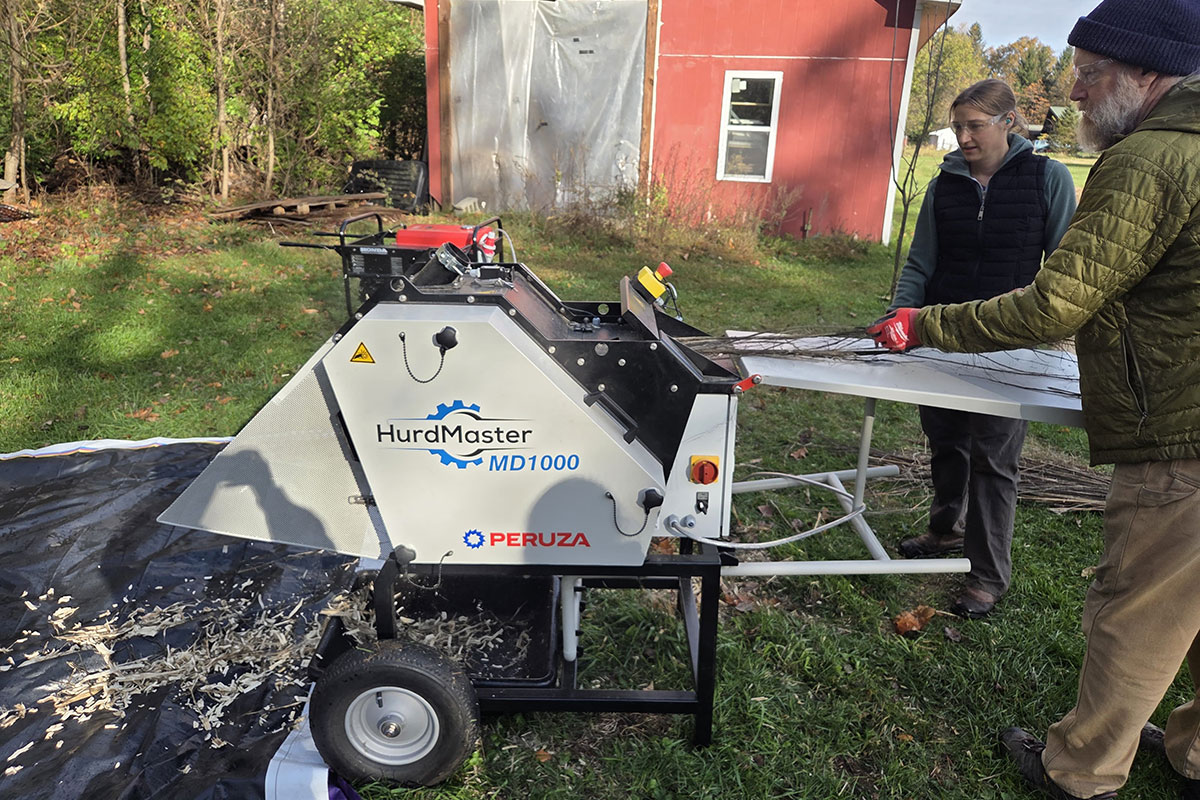
This team is partnering with Pott Farms to explore how hemp combined with mycelium—a natural fungal network—can create durable, biodegradable materials for furniture, packaging, and building components. A key step is decortication, which separates the plant’s fibers from its woody core. Pott Farms, home to one of the few portable decorticators in the United States, will serve as a testbed to study how different processing methods affect material strength and carbon-storage potential. Graduate students will contribute by helping transform these experiments into furniture prototypes.
Pott Farms has long worked to lower barriers for Michigan hemp farmers seeking to produce hemp-based products. By collaborating closely with the farm, the team can develop practical guidance for small- and mid-scale growers to maximize crop value. Combining local farming expertise with hands-on research in materials and design, the project will demonstrate sustainable production that supports farmers, fosters environmentally responsible products, and inspires future innovations in regenerative materials.
Project team: Evgueni T. Filipov, PI (Civil and Environmental Engineering), Glenn Wilcox, co-I (Taubman College), Robbin Pott (Pott Farms), Vaibhavi Chidella (Civil and Environmental Engineering)
Behind the Cloud
How Datacenters Shape Water, Energy, and Communities

The rapid proliferation of datacenters imposes significant and often poorly understood demands on local energy and water systems. Loudoun County, Virginia, home to the world’s largest concentration of datacenters, has become a focal point for these challenges, as communities and utilities navigate infrastructure strain, rising costs, and environmental impacts.
This project aims to clarify both the challenges and opportunities of datacenter expansion. The team will partner with the Upper Occoquan Service Authority (UOSA), the regional water utility serving Loudoun County, to examine how datacenter siting, design, and operations—from energy sourcing to cooling technologies and water use—affect local communities. UOSA’s expertise in water resources, infrastructure planning, and community impacts will guide the research, connect the team with stakeholders, highlight knowledge gaps, and provide feedback on findings, ensuring the research reflects local realities and produces mutually beneficial insights.
The project will culminate in a white paper and a cross-disciplinary workshop to lay the groundwork for a broader research agenda on sustainable digital infrastructure. The team will also develop an open-source computational model of the datacenter–energy–water system to explore interconnected impacts. The model will reveal where energy and water demands align, creating opportunities for co-benefits such as reduced water use and lower emissions, and where they diverge, exposing tradeoffs and risks. Together, the white paper, workshop, and model will equip policymakers, utilities, and communities with actionable information to guide sustainable datacenter growth.
Project team: Rabab Haider, PI (Civil and Environmental Engineering), Nancy Love, co-I (Civil and Environmental Engineering), Amanda Ullman, co-I (Institute for Energy Solutions), Xiaofan Liang, co-I (Taubman College), Sarah Mills, co-I (Center for EmPowering Communities, Taubman College), Upper Occoquan Service Authority (External Partner)
Rising Waters, Rising Equity
Learning from Detroit’s Infrastructure
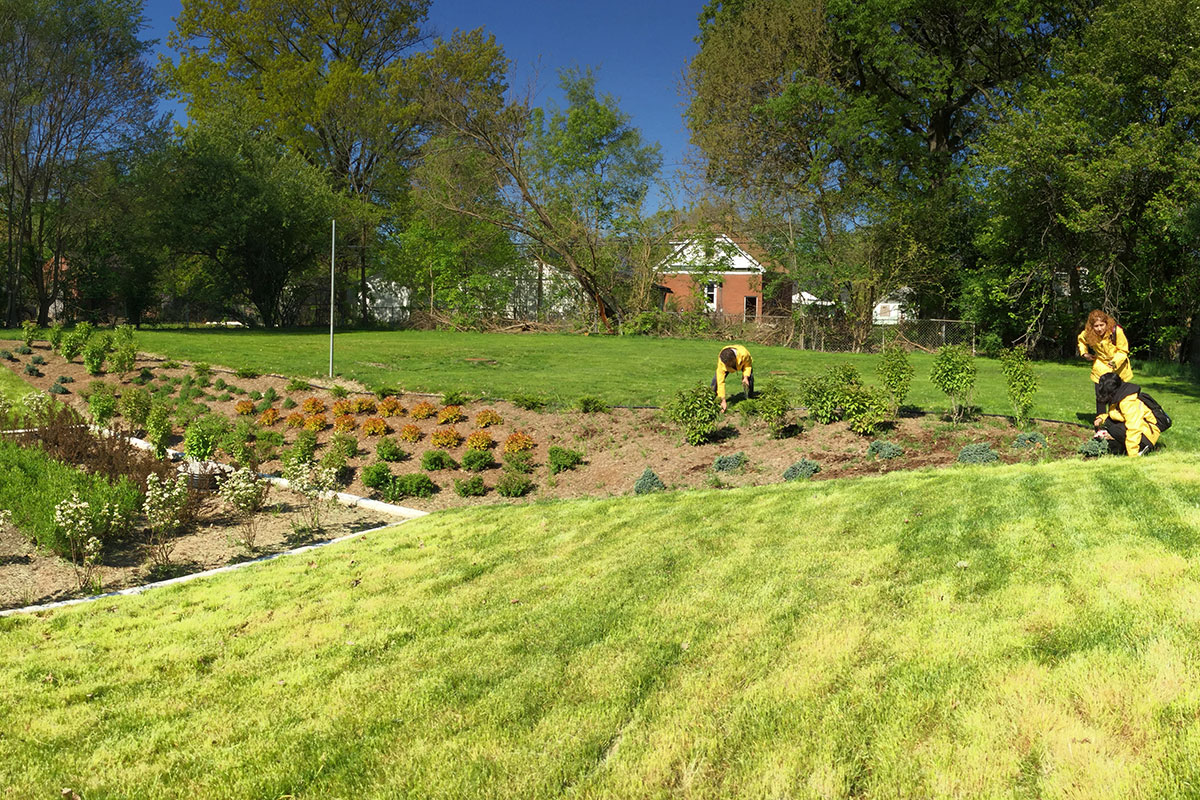
Flooding is one of the most severe climate risks facing cities across the United States, threatening infrastructure, ecosystems, and community well-being. As precipitation intensifies and urbanization expands, Green Stormwater Infrastructure (GSI) is increasingly used to reduce flood risk, support biodiversity, and deliver benefits such as recreation and neighborhood revitalization. Yet GSI can also drive “green gentrification,” displacing lower-income residents as greening raises property values.
This challenge highlights the need for research-based approaches that center equity in GSI siting, engagement, and policy design. Detroit offers a critical case. Twentieth-century initiatives such as Urban Renewal, the national highway system, and Economic Opportunity Zones reshaped the city in ways that often deepened economic and environmental inequities for marginalized communities. By developing a longitudinal, data-driven understanding of past decisions, this project aims to help Detroit avoid GSI-related displacement seen in other cities.
Much of Detroit’s planning history remains undigitized. The team will vectorize 8–10 planning documents from the 1950s–2000s to enable geospatial analysis of policy impacts on land use, housing, vacancy, and wetland loss. In parallel, interviews with infrastructure practitioners—supported by the Southeast Michigan Council of Governments (SEMCOG)—will capture current priorities in flood resilience and GSI. Together, this mixed-methods work will inform a white paper and produce actionable guidance for equitable GSI policy and practice within SEMCOG’s regional resilience framework.
Project team: Lauren Mullenbach, PI (Michigan Sea Grant, SEAS), Julie Arbit, co-I (Center for Social Solutions), Earl Lewis (Center for Social Solutions)
Green Stages
Sustainability Takes the Spotlight at Detroit Opera
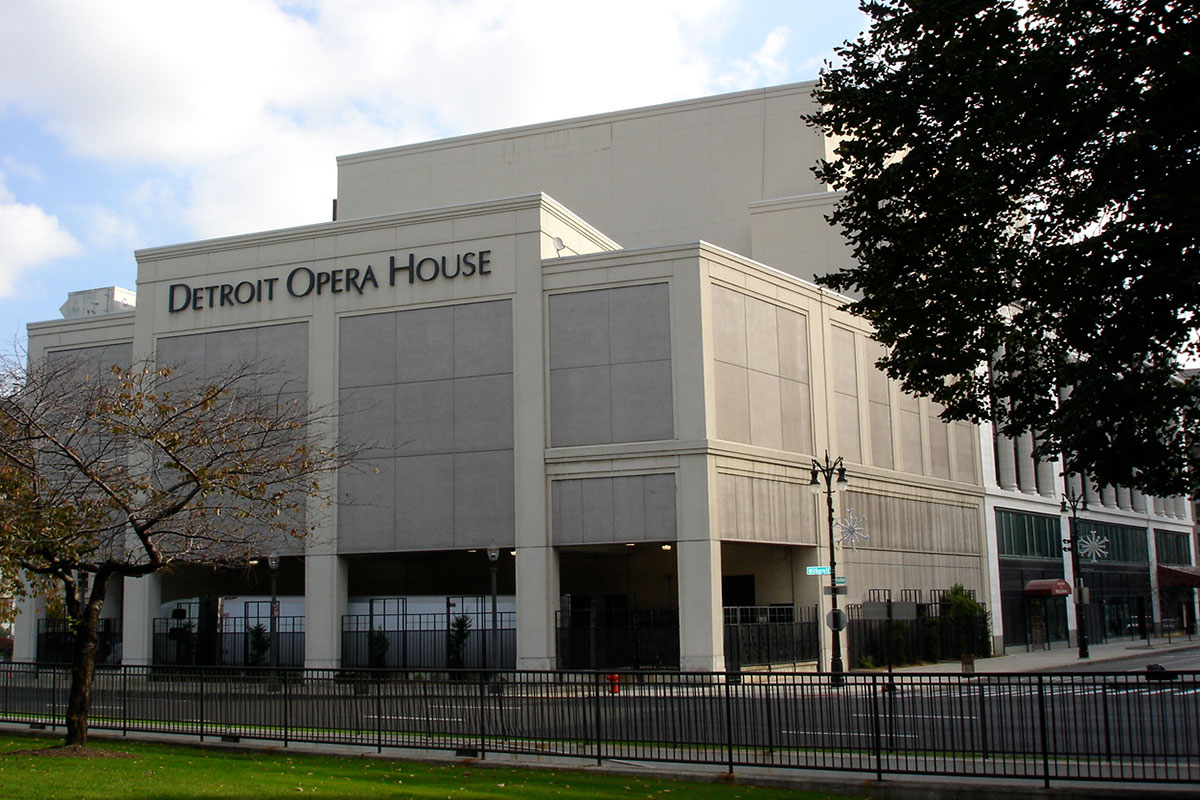
Opera is a world of grand visions and intricate detail, yet it carries a significant environmental and resource footprint. As audiences, funders, and communities increasingly demand sustainability, this project explores how opera can uphold artistic excellence while advancing environmental, social, and economic responsibility. It will pilot these practices with Detroit Opera during the company’s 2027–28 season.
The project will examine every stage of production—from planning and set design to backstage operations and post-performance processes—to uncover practical opportunities for meaningful change. Through workshops, stakeholder engagement, and operational mapping, U-M faculty, students, and Detroit Opera staff will co-create tailored frameworks, measurable goals, and reporting tools that reduce environmental impact while preserving artistic integrity.
This work will lay the foundation for ongoing collaboration and produce tools immediately useful to Detroit Opera and U-M University Productions, while offering models other performing arts organizations can adapt. Insights from the project will also inform grant applications for follow-on work that would enable the development of customizable sustainability toolkits for theaters nationwide.
By integrating creativity, research, and operations, the project will demonstrate what’s possible when the performing arts embrace sustainability, positioning U-M at the forefront of sustainable arts practice and establishing a replicable framework for environmentally and socially responsible performances.
Project team: Sarah M. Oliver, PI (SMTD), Shelie Miller, co-I (SEAS), Shawn Rieschl Johnson (Detroit Opera)
Clean Streams
Boosting Recycling with Technology
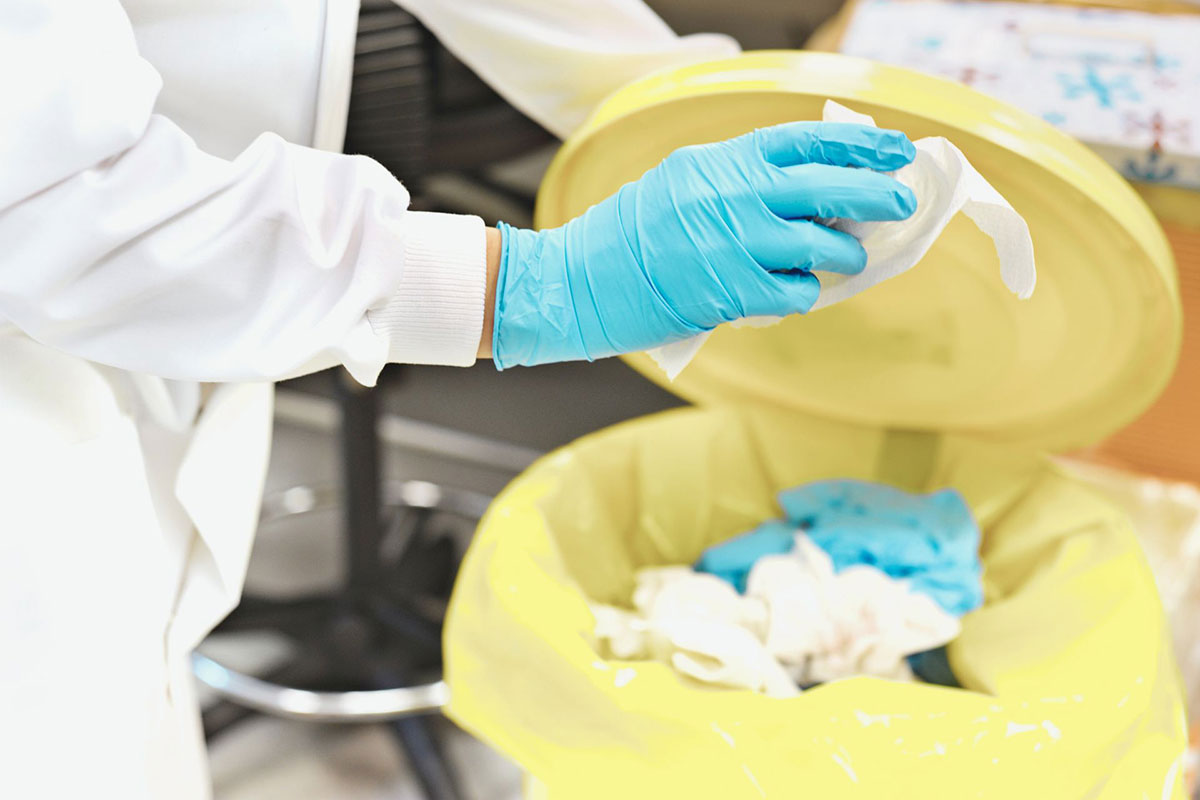
Modern waste systems in hospitals, campuses, and public spaces face a pressing sustainability challenge: recyclable materials are often compromised by residues, moisture, chemicals, and misplaced items, turning entire waste streams into unusable trash. Contamination in institutional bins frequently exceeds 20–30%, forcing facilities to discard materials that could otherwise be recycled. Even thin moisture films, food residues, and transparent plastics can spoil whole batches, and visual inspection alone cannot reliably detect them.
This project will develop an intelligent, contamination-aware sensing system capable of identifying invisible residues and misplaced items in compost, recycling, and medical plastics streams. A compact robotic arm will integrate RGB-D, hyperspectral, and thermal sensors to capture complementary visual, spectral, and thermal cues. AI models will fuse these data streams to flag problematic items before they enter waste streams. By enabling early, on-site detection, the system is expected to improve material recovery, reduce unnecessary disposal, lower transport emissions, and strengthen circular material use.
Initial work will define sensor requirements, collect contamination data, and demonstrate a prototype capable of detecting thin films, grease, oils, and misplaced plastics. U-M Health partners, including sustainability and environmental health specialists, will provide real waste samples, operational insight, and guidance on practical deployment. Developing and testing this system will lay the groundwork for future autonomous sorting technologies, improve recycling efficiency, and advance climate-health goals across campus and healthcare environments.
Project team: Karishma Patnaik, PI (CECS, UM-Dearborn), Alireza Mohammadi, co-I (CECS, UM-Dearborn), Krisanu Bandyopadhyay, co-I (CASL, UM-Dearborn), Chip Amoe (UM-Health), Christopher Victory (UM-Health), Steven Keckan (UM-Health)
The catalyst grant program at the Graham Sustainability Institute is administered by Maggie Allan ([email protected]) and Sarah Miller ([email protected]). Visit graham.umich.edu/catalyst to learn more about the program.