M-CCAF is grateful to the Michigan Climate Action Network (MiCAN) for their continued partnership. Each M-CCAF host organization is a member of MiCAN.
2026 host organizations (may change for 2027):
- Ann Arbor for Public Power
- Citizens' Resistance at Fermi Two
- Detroiters Working for Environmental Justice
- Grand Rapids Climate Coalition
- Groundwork Center for Resilient Communities
- Kalamazoo Climate Crisis Coalition
- Michigan Environmental Justice Coalition
- People's Water Board
- Soulardarity
- Third Act Michigan
- Transportation Riders United
- Up North Advocacy
- We Want Green Too
- White Lake Area Climate Action Council
Key MiCAN Partners
M-CCAF is developed and delivered in partnership with the Michigan Climate Action Network (MiCAN). The following MiCAN staff members provide essential leadership and expertise for the program.
 Denise Keele - MiCAN Executive Director
Having been a farmer, a forester, a grassroots organizer, a political scientist, and a professor, Denise Keele brings a holistic understanding of the need to rapidly reverse global warming to her role as Executive Director of the Michigan Climate Action Network. Denise re ceived her doctorate in Environmental Politics from Syracuse University and was an Associate Professor of Political Science at Western Michigan University (WMU) in Kalamazoo, Michigan. She chaired the WMU interdisciplinary Climate Change Working Group from 2014 to 2022, and has served on the Kalamazoo Township Climate Committee and the City of Kalamazoo Sustainability Committee. From 2019 to 2022, she founded and led the grassroots Kalamazoo Climate Crisis Coalition, coordinating more than 2000 members and 40 affiliate organizations to take collective action and address climate change.
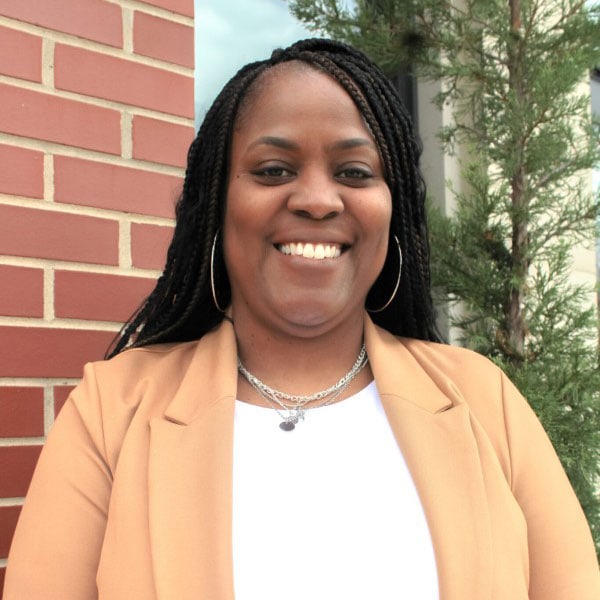
Deirdre Nieves - MiCAN Education Advisor
Deirdre Nieves is an educator, social scientist, and environmental justice advisor whose work focuses on advancing equitable, interdisciplinary approaches to climate education. As Education Advisor for the Michigan Climate Action Network, she leads efforts to develop educational frameworks that connect climate science, cultural knowledge, and social justice. Her role supports the strategic integration of curriculum, public scholarship, and community-based learning into MiCAN's statewide initiatives. Her work strengthens climate literacy and critical engagements across diverse audiences, ensuring that educational efforts not only inform but also empower individuals and communities.