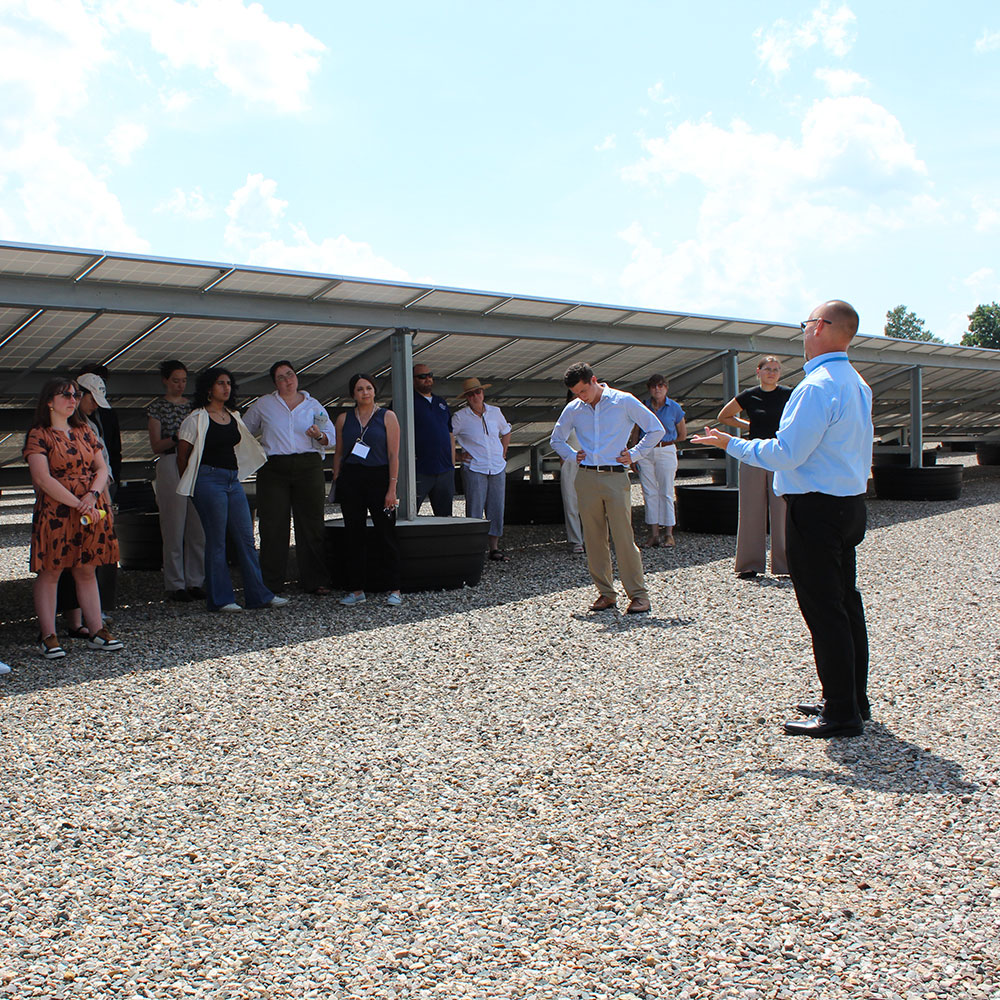
Michigan local governments now have access to a new collection of practical sustainability resources developed through the 2025 Catalyst Leadership Circle Fellowship (CLCF). The program, funded by the Michigan Department of Environment, Great Lakes, and Energy (EGLE) and managed by the University of Michigan's Graham Sustainability Institute, has successfully completed its latest cohort.
This year's fellowship connected ten graduate students, representing six different majors, from the University of Michigan and Michigan State University with local governments seeking support on specific sustainability projects to further their community goals. All completed CLCF projects are publicly archived at graham.umich.edu/clcf, offering Michigan communities ready-to-use toolkits, planning guides, and educational materials they can customize for their own needs.
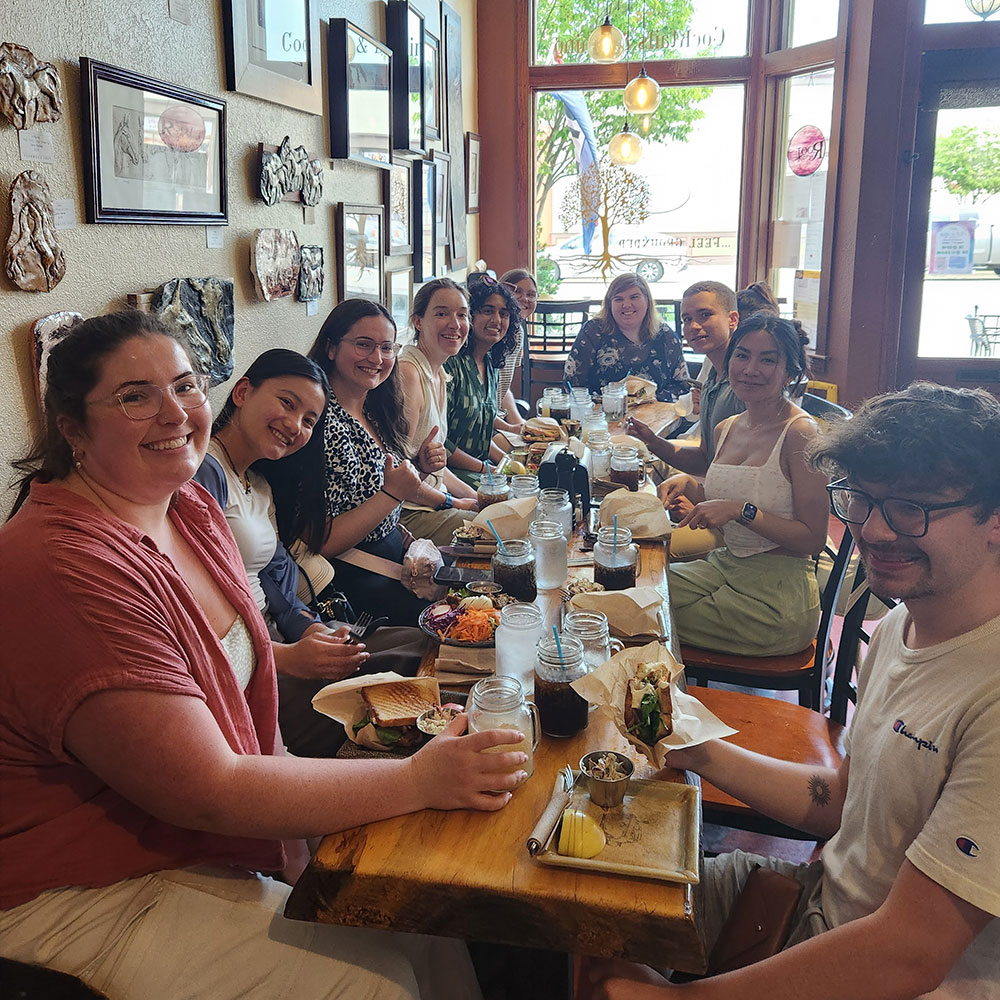
Across ten weeks, each student fellow developed their project in collaboration with a local mentor and a technical expert provided by the Graham Sustainability Institute. Outside of creating actionable deliverables, the cohort also had the opportunity to engage in professional development training and travel to participating communities to meet with local stakeholders.
For the ten participating local governments, the CLCF provides a free capacity-building opportunity that supports community sustainability needs and further networks them with surrounding municipalities. As one participant notes, the CLCF “is such a great way to expose students to real world problems and come up with solutions that can be utilized by local government. If a local government were to hire a consultant to do this work, it would cost thousands of dollars.”
Joining the Catalyst Leadership Circle
The Catalyst Leadership Circle (CLC) is a collaborative network of Michigan local governments working together to promote sustainability and meet climate and energy goals. By joining the CLC, members can benefit from bi-monthly peer-sharing sessions, access to resources, funding opportunities, technical support, and eligibility to request a CLC fellow to address a locally identified sustainability project.
Communities join the CLC by earning Silver, Gold, or Platinum certification in the Michigan Green Communities Challenge. The Challenge recognizes local governments for adopting best practices in areas such as energy, waste reduction, water conservation, sustainable land use, and community engagement.
The 2025 CLC Fellowship Projects

Developing Solar Carports for Coldwater
Wulan Kencana Adjani prepared a feasibility report and planning guide for the City of Coldwater’s solar carport project, covering site layouts, energy production, and ROI projections. She also created engagement outreach materials.
DA Climate Vulnerability Assessment Toolkit for Oakland County
Jeewon Suh developed a toolkit for small and midsized municipalities in Oakland County to identify climate vulnerabilities and develop equitable adaptation strategies. The customizable toolkit includes sample frameworks, indicator tables, and low-barrier tools.

Environmental Policy One-Pagers for East Lansing
Natalie Overton translated 15 of East Lansing’s environmental policies into simplified, department-specific one-pagers to optimize policy implementation. The templates and collaborative creation guide are available for other cities.

Food Waste Reduction in Canton
Mateo Garcia conducted a food waste audit for Plymouth Canton Community Schools and created a guide to help Michigan schools implement food waste reduction practices. The guide contains logistic guidance, case studies, and administrative resources.
Transforming Municipal Materials Management for Fennville
Ann Wilkinson developed an implementation guide, ordinance recommendations, and interlocal agreement proposal for the City of Fennville to help the City achieve its trash, recycling, and composting goals.

A Sustainability Curriculum for Scio Township
Bonny Wysocki designed a sustainability curriculum for Scio Township staff and elected officials to build climate literacy and support implementation of the Township’s Environmental Sustainability & Climate Action Plan.
Green Infrastructure Development Strategies for Grand Haven
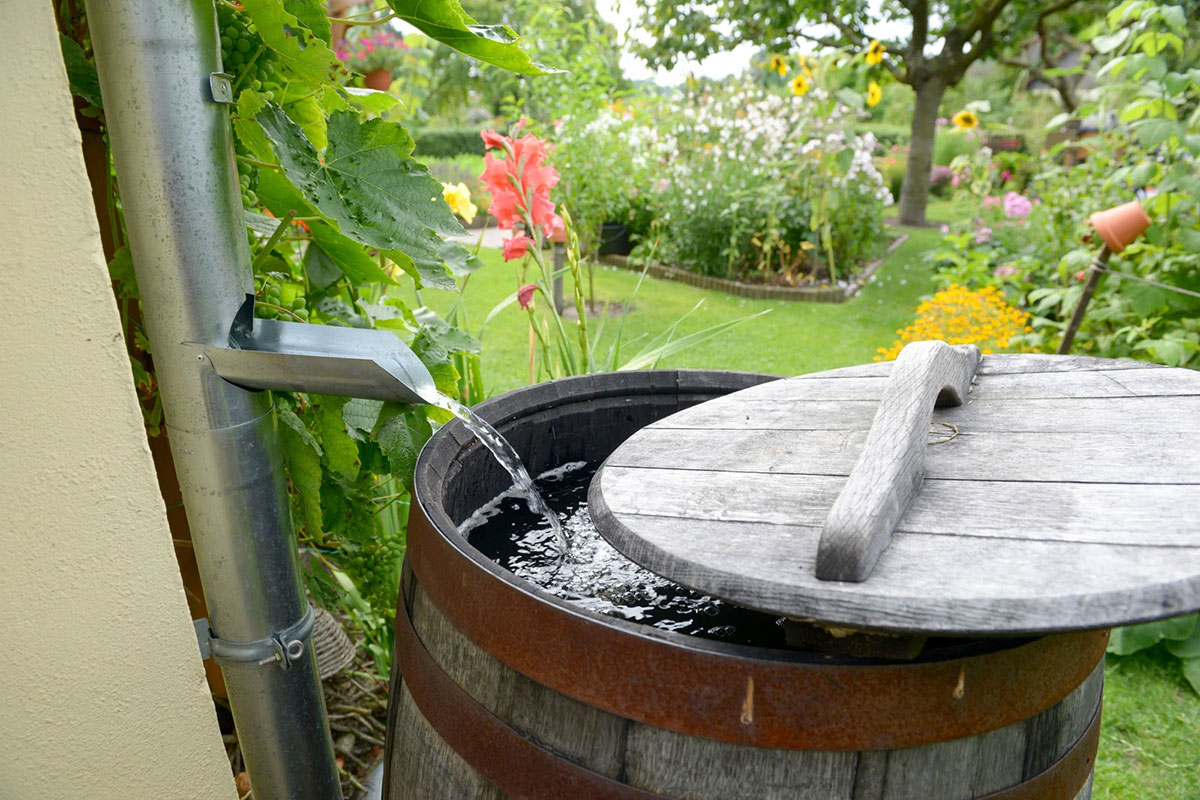
Isaac Harter identified green stormwater infrastructure opportunities at Grand Haven’s Chinook Pier and developed a replicable site analysis framework with policy recommendations. His ArcGIS StoryMap is an interactive tool for understanding the site analysis process.

Assessing Vulnerability in Southfield
Alisa Sehgal authored a vulnerability assessment guide to address environmental injustice and community needs. She also conducted a comprehensive vulnerability assessment for the City of Southfield with data analysis and actionable recommendations.
A Recycling Drop-off Center Operations Manual for Holland
Lillian Wege created an operations manual for municipal recycling drop-off centers, addressing the challenges Michigan communities face in establishing such facilities.
Pocket Forests in Sterling Heights
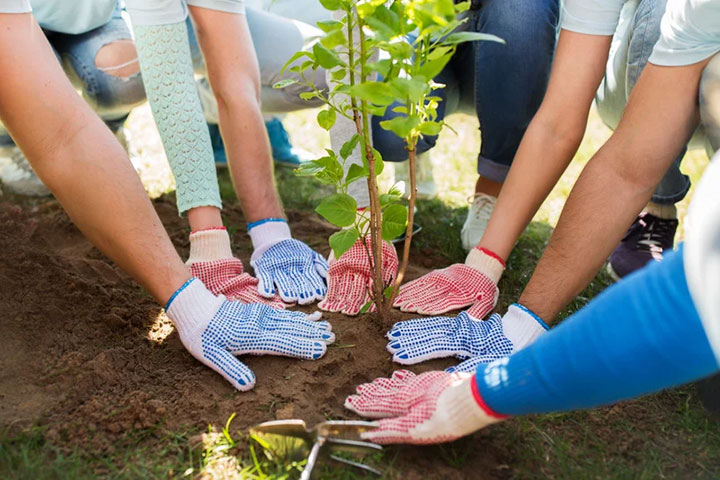
Paloma Calvin created an interactive online guide with resources and tools for pocket forest creation, promoting community-driven reforestation efforts using native plants. The website, plant calculator, and codebase can be adapted for use across Southeast Michigan.