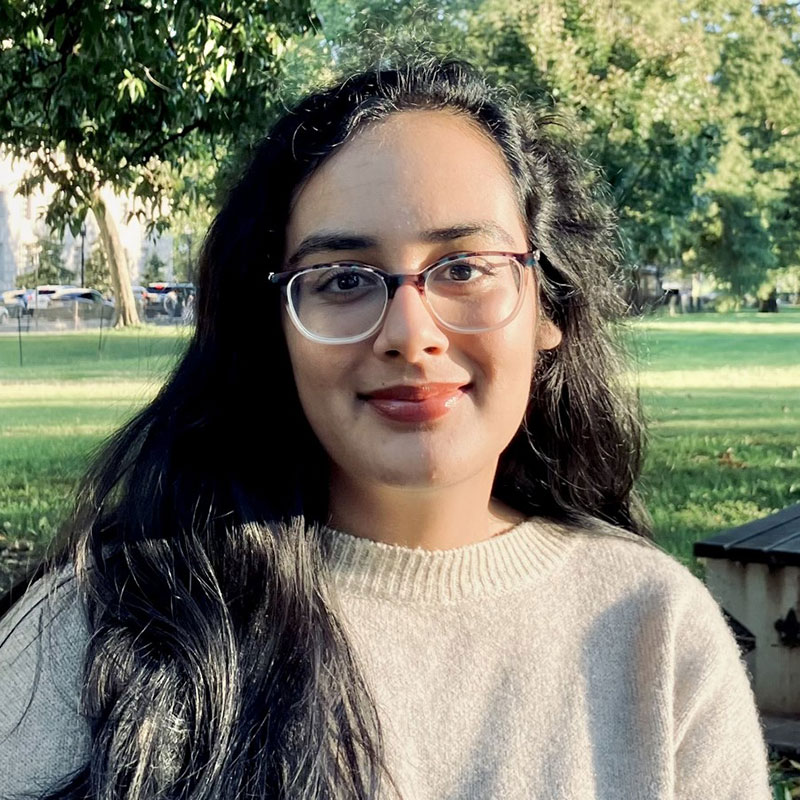
Hira Ahmad
Fred and Barbara Erb Family Foundation
Hira Ahmad
Hira started her fellowship at the Erb Family Foundation in July of 2025. As a Great Lakes Philanthropy Fellow, she supports environmental grantmaking at the foundation as part of the program team. Previously she was an Oak Ridge Institute Fellow at the Environmental Protection Agency Great Lakes National Program Office. There she supported the Great Lakes Environmental Justice grant program and engaged with community outreach programs related to children’s lead safety in Michigan. Hira obtained her master’s degree from the University of Michigan School of Environment and Sustainability in Ecosystem Science and Management and Environmental Justice in 2024. She is passionate about scientific communication, community-based participatory research, and reducing barriers within environmental grantmaking.
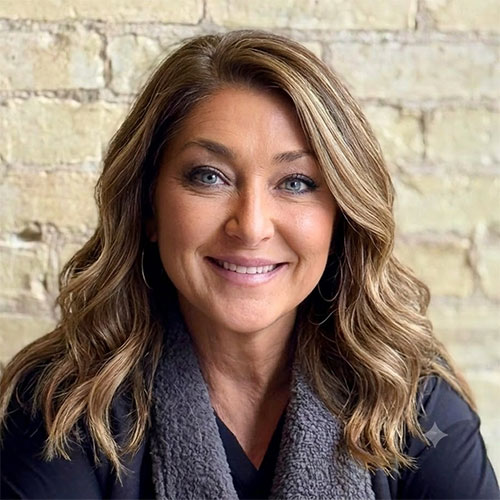
Arlene Anderson-Vincent
Primo Brands / Ice Mountain
Arlene Anderson-Vincent
Arlene Anderson-Vincent is an experienced hydrogeologist and environmental scientist with more than 25 years of experience in geology, water resource management, and conservation. As Senior Natural Resource Manager for Primo Brands / Ice Mountain, she leads efforts to protect and conserve water resources while supporting healthy communities and local economies.
Arlene serves on the boards of the Michigan Chamber of Commerce, Muskegon River Watershed Assembly, Big Rapids Regional Chamber of Commerce, and the Ice Mountain Environmental Stewardship Fund through the Fremont Area Community Foundation. She has also served with numerous professional and community organizations and represents Ice Mountain in its extensive community giving efforts.
A graduate of Michigan State University, Arlene holds dual bachelor’s degrees in Geology and Environmental Science. She is passionate about water stewardship, environmental education, and community collaboration, and is particularly proud of her role in developing the award-winning 27-acre Twin Creek Nature Area outside Evart.
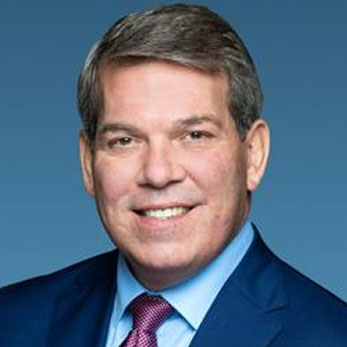
Vance Badawey
Council of the Great Lakes Region
Vance Badawey
Vance Badawey is President and CEO of the Council of the Great Lakes Region, providing binational leadership to advance economic competitiveness, freshwater stewardship, and sustainable growth across the Great Lakes–St. Lawrence region. A former three-term Member of Parliament, he served as Parliamentary Secretary for Transport and Indigenous Services, chaired the House Transport, Infrastructure and Communities Committee, and co-founded the Great Lakes Task Force. Previously, he served four terms as Mayor of Port Colborne, Ontario and spent more than 35 years in the private sector. Throughout his career, Badawey has championed cross-border collaboration, strategic infrastructure, economic development, and strong, resilient communities.
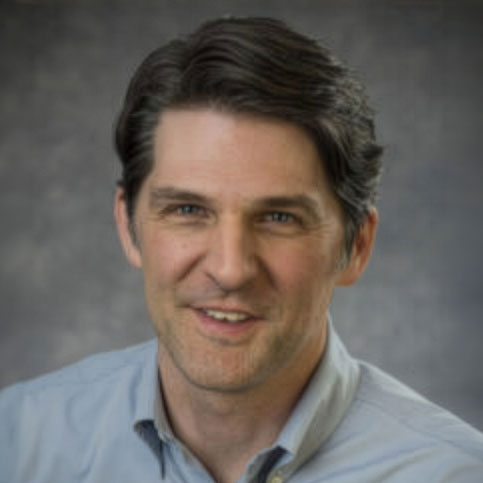
Joel Brammeier
Alliance for the Great Lakes
John F. Bratton
LimnoTech
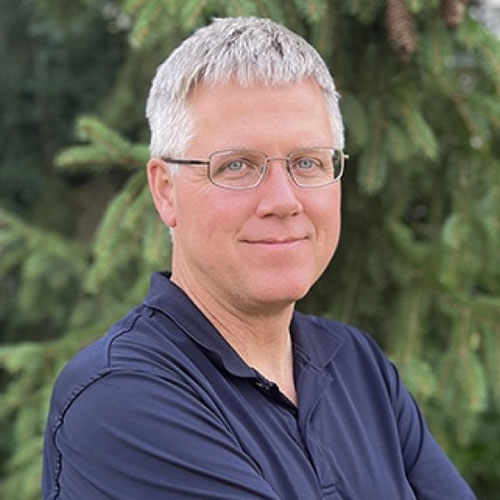
John F. Bratton
John has expertise in earth and environmental sciences and has led projects in restoration of large ecosystems, adaptive management, contaminated sediment remediation, hydrogeology, numerical modeling, environmental policy, and litigation support.
He has worked as a consultant, researcher, educator, and science manager for over almost 40 years, with a focus on the Great Lakes, Northeast, and Pacific regions. John previously served as Acting Director of NOAA’s Great Lakes lab and as a research scientist with the Coastal and Marine Geology Program of the USGS in Woods Hole, MA. He holds adjunct faculty appointments at Wayne State University and Madonna University.
Kevin Cox
Michigan Department of Environment, Great Lakes, and Energy
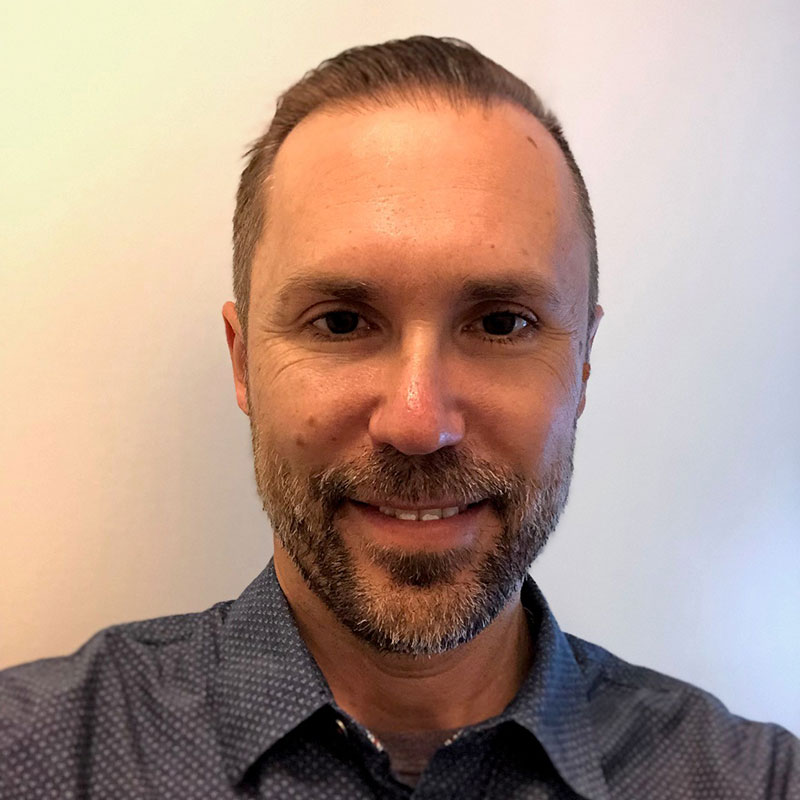
Kevin Cox
Kevin Cox is a Toxicologist Supervisor with the Michigan Department of Environment, Great Lakes, and Energy (EGLE). Mr. Cox supervises the administration of contaminant monitoring programs for fish, wildlife, beaches and surface water PFAS. His team develops Water Quality Values protective of human health and aquatic life. Prior to EGLE, Mr. Cox was a Principal Research Toxicologist at NSF International where he focused on chemical risk assessment. Mr. Cox received his B.S. in biochemistry and history from the University of Michigan and his MPH in Environmental Health Sciences - Toxicology from the University of Michigan School of Public Health.

Greg Dick
University of Michigan
Greg Dick
Gregory J. Dick is an Arthur F. Thurnau Professor in the Department of Earth and Environmental Sciences and the School for Environment and Sustainability at the University of Michigan. He is the Director of the Cooperative Institute for Great Lakes Research and Director of the Great Lakes Center for Freshwaters and Human Health. Professor Dick received a PhD in Marine Biology from the Scripps Institution of Oceanography (2006) and completed a postdoctoral fellowship on environmental genomics at the University of California, Berkley (2008). Professor Dick’s research now focuses on harmful cyanobacterial blooms in the Great Lakes.
Janessa Esquible
Great Lakes Fishery Commission
Pete Esselman
U.S. Geological Survey
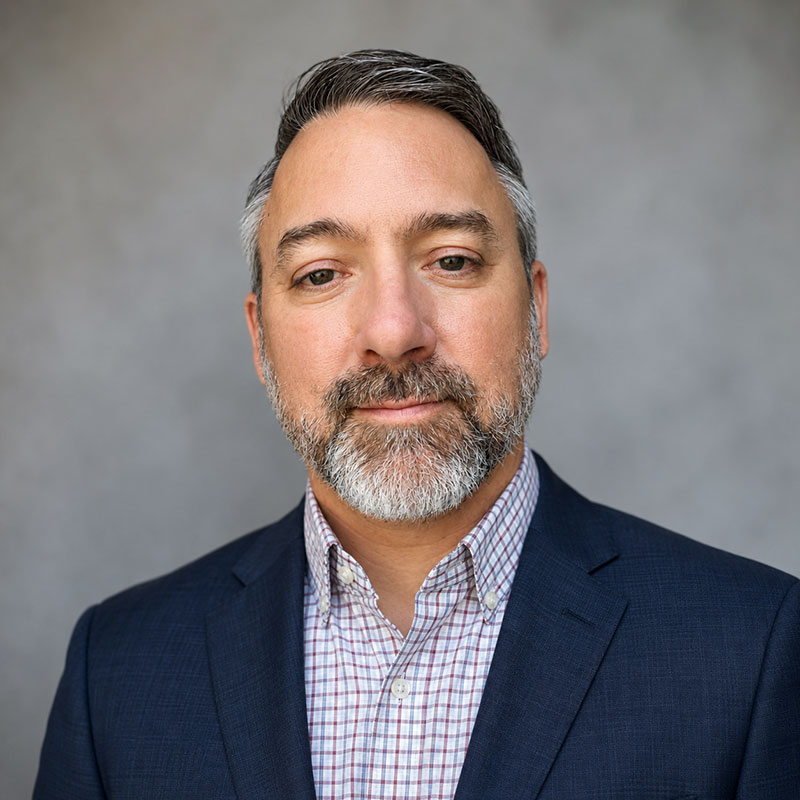
Pete Esselman
Peter Esselman is a research fisheries biologist with the U.S. Geological Survey and a leader in applying advanced technologies to freshwater ecosystem science. Based in Ann Arbor, Michigan, his work focuses on Great Lakes fisheries, aquatic habitat mapping, invasive species detection, and the use of autonomous underwater vehicles, remote sensing, and machine learning to improve environmental monitoring. He has more than three decades of experience in freshwater research and conservation, spanning large lakes, rivers, and tropical ecosystems in Central America. Esselman previously served as faculty at Michigan State University and collaborates widely across government, academic, and conservation organizations.
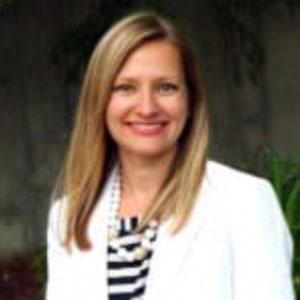
Emily Finnell
Michigan Department of Environment, Great Lakes, and Energy

Marc Gaden
Great Lakes Fishery Commission

Anna-Lisa Gonzales Castle
Elevate
Anna-Lisa Gonzales Castle
Anna-Lisa advances forward-looking solutions to pressing water challenges, including the water access gap. As Director of Water Policy at Elevate, she translates on-the-ground work in water affordability, climate resilience, and safe water infrastructure into policy change at the local, state, and federal levels. Over the past decade, she has led Great Lakes protection efforts, launched a national campaign for equitable water infrastructure investment, and supported community organizing in Chicago. She holds degrees from Cornell University and Northwestern University and is a PhD candidate at Åbo Akademi University in Finland, bringing global perspectives on water governance to her research and practice.
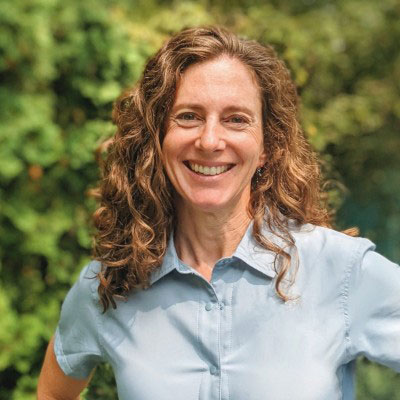
Emily Green
Great Lakes Funders
Emily Green
Emily brings over 25 years of experience building coalitions and driving environmental impact across the Great Lakes. As Director of the Sierra Club's Great Lakes Program, she helped secure landmark conservation victories including the Great Lakes Legacy Act, Great Lakes Restoration Initiative, and Great Lakes Compact. She helped launch the Fund for Lake Michigan and continues to serve as a trustee. After leading a national network-based organization to further hone her coalition-building skills, Emily returned to the region as Director of Great Lakes Funders, a network of over 50 foundations working to support a strong future for the Great Lakes.
Drew Gronewold
University of Michigan
Drew Gronewold
Dr. Andrew Gronewold, P.E., is an Associate Professor with the School for Environment and Sustainability (SEAS) at the University of Michigan. He also holds adjunct faculty appointments in the University’s Department of Civil and Environmental Engineering, and the Department of Earth and Environmental Sciences. He also serves as the lead investigator for the United States contribution to the Global Center for Understanding Climate Change Impacts on Transboundary Waters. Dr. Gronewold and his team conduct research across a broad range of projects that explore methods propagating uncertainty, and different perspectives, into real-world environmental and water resources management systems.
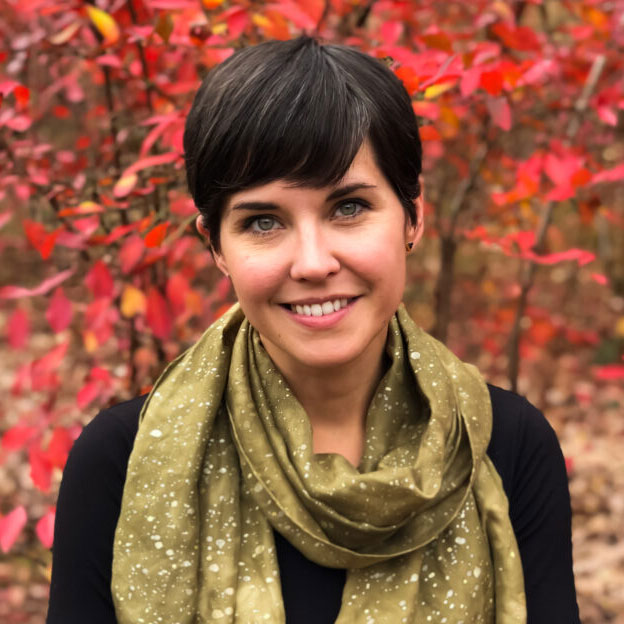
Alaina Harkness
Great Lakes RENEW
Alaina Harkness
Alaina leads Current, the Chicago-based water innovation hub, and Great Lakes RENEW, the National Science Foundation-supported Great Lakes Water Innovation Engine. Prior, she held impactful roles at the John D. and Catherine D. MacArthur Foundation, the Brookings Institution, RW Ventures, and the Chicago Community Trust. She has published commentary for the Brookings Institution, Chicago Tribune, CityLab, Crain’s, and the San Francisco Federal Reserve. Alaina holds appointments to the Illinois Workforce Innovation Board and the Illinois Energy Workforce Advisory Council, and serves as an advisory board member of the Prairie Research Institute.
Eric Hemenway
University of Michigan
Eric Hemenway
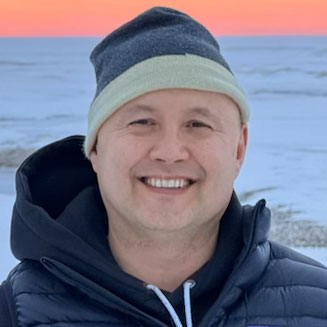
Eric Hemenway is an Anishnaabe/Odawa from Cross Village, MI. His work centers on bringing Anishnaabe/Odawa history to the public and advancing Anishnaabek rights. For 20 years Eric worked for the Little Traverse Bay Bands of Odawa Indians Archives. While at LTBB, Eric worked on exhibits, signage, curriculum, public programs, litigation and extensive work under the Native American Graves Protection and Repatriation Act. Eric’s partners include the National Park Service, State of Michigan, Harvard, Yale, Newberry Library and numerous local schools in Northern Michigan. Eric received his honorary doctorate from Oakland University and has received numerous awards for his work on integrating indigenous history into public spaces. Eric is currently the Humanities Manager for the School of Environment and Sustainability at the University of Michigan.

Norrel Hemphill
We the People of Detroit
Erika Jensen
Great Lakes Commission
Erika Jensen
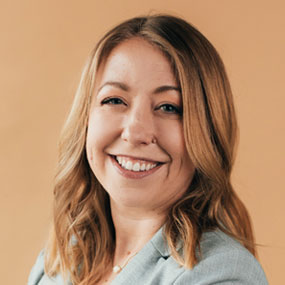
Erika Jensen serves as executive director of the Great Lakes Commission, appointed in July 2021. As executive director, Ms. Jensen directs operations, manages relations with the Commission’s Board of Directors and Commissioners, oversees policy and advocacy efforts, and collaborates with the agency’s numerous partners to advance strategic regional priorities, among other duties. Ms. Jensen has been a member of the Commission staff in various roles since 2006.
Collin Knauss
Great Lakes Protection Fund
Collin Knauss
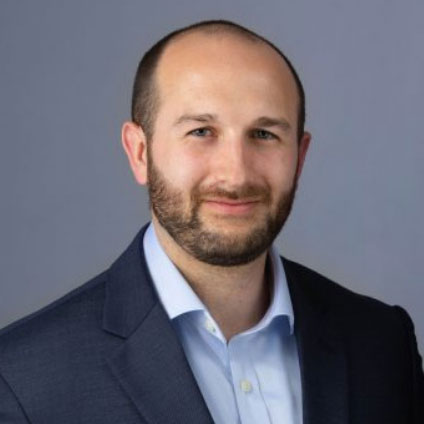
Collin Knauss is Project Development Manager at the Great Lakes Protection Fund, where he helps teams turn strong ideas into high-impact projects to improve the health of the Great Lakes ecosystem. His role is part scout, part builder — surfacing new opportunities, shaping strategy with project teams, and connecting people working at the edges of what's possible. He brings a basin-wide view of where the most promising work is emerging. Collin holds dual graduate degrees from the University of Michigan's Erb Institute (MBA, Ross School of Business; MS, School for Environment and Sustainability) and a BA in Biology from Colorado College.
Mila Marshall
Sierra Club
Mila Marshall
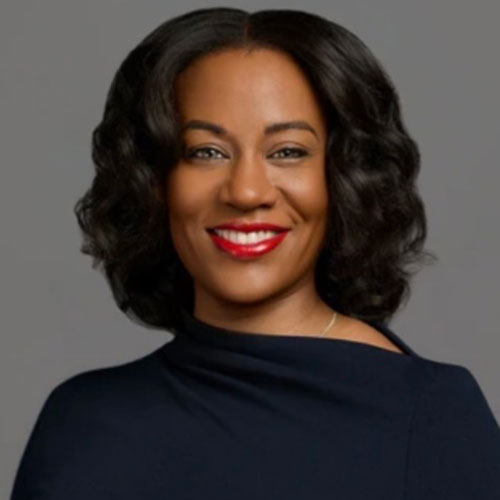
Dr. Mila Marshall holds a PhD in ecology and works to mobilize diverse networks across Illinois around clean water, from wastewater and agriculture to industry. She champions novel partnerships that protect the quality of the state's streams, lakes, rivers, and tributaries for all. Her work confronts the legacies of water infrastructure disinvestment, building bridges toward solutions by connecting and educating the scientific and legislative communities at the city, county, and state levels.
She serves as Clean Water Advocate for the Illinois Chapter of the Sierra Club, Executive Board Member of Black Water Professionals Alliance, CEO of the Chicago Area Waterways Heritage Committee, and President of the Black Women Boaters Club–Chicago Chapter, and is the former environmental editor of Chicago News Weekly. Dr. Marshall also serves the State of Illinois as a member of the Groundwater Advisory Board and the Natural Resources Advisory Council
Jérôme Marty
International Association for Great Lakes Research
Jérôme Marty
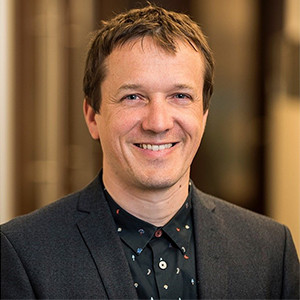
Dr. Jérôme Marty is an environmental leader and science-policy professional serving as Executive Director of the International Association for Great Lakes Research (IAGLR). He works at the intersection of freshwater science, policy, and international collaboration, advancing knowledge and solutions for the sustainable management of large lake ecosystems. With experience spanning government, academia, industry and non-profit sectors, Jerome focuses on issues such as water security, ecosystem health, and emerging stressors. He is committed to strengthening connections between scientists, decision-makers, and communities to support evidence-based policies and resilient freshwater systems across the Great Lakes basin and beyond.
Richard T. Melstrom
Loyola University Chicago
Richard T. Melstrom
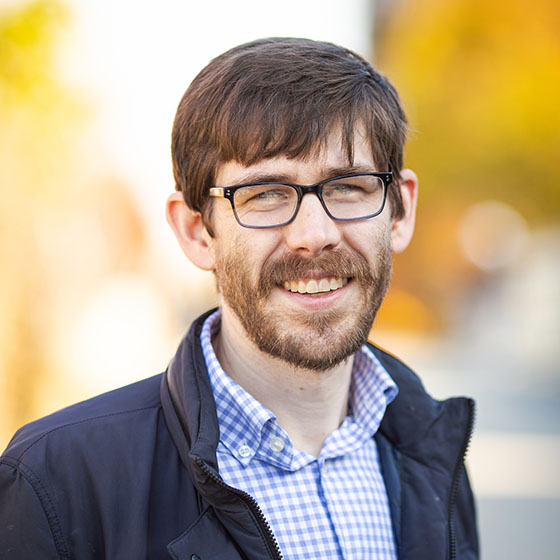
Dr. Melstrom is an economist whose research focuses on environmental valuation, damage assessment, and environmental policy. He is a passionate teacher and mentor on topics related to economic and environmental matters. He developed the Environmental Economics and Sustainability major in the School of Environmental Sustainability at Loyola University Chicago. Dr. Melstrom’s research has been published in leading peer-reviewed journals, including Ecological Economics, Land Economics, and American Journal of Agricultural Economics. He is a past managing editor of the Northeastern Agricultural and Resource Economics Association’s journal, Agricultural and Resource Economics Review. Dr. Melstrom received his BA in Economics and Business from Kalamazoo College, his MA in Economics from Michigan State University, and his PhD in Economics and Agricultural, Food and Resource Economics from Michigan State University.
Shayenna Nolan
University of Windsor
Shayenna Nolan
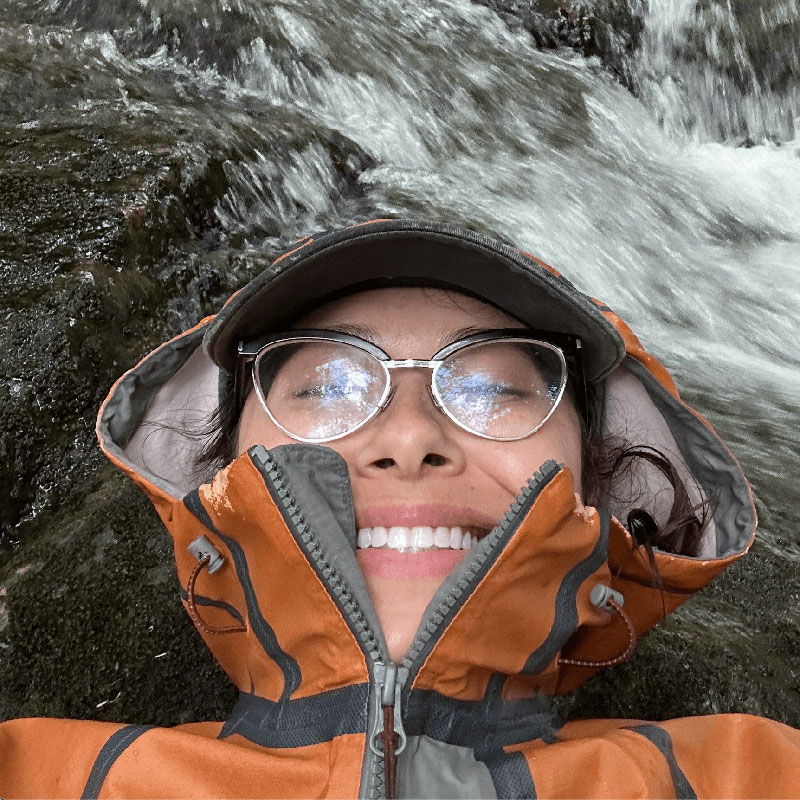
I am crane clan and a member of Batchewana First Nation. I am a photographer and freshwater scientist, currently a PhD candidate at the University of Windsor. My work focuses on freshwater ecosystem health and Anishinaabe environmental assessments, and my photography centers people, places and water. More specifically my research uses environmental genomics, analytical chemistry, and qualitative social methods. I can usually be found beside a river flying my drone or fighting with my HOA over the prairie patch I’m trying to cultivate in my front yard.
Jeremy Orr
Michigan State University and Earthjustice
Jeremy Orr
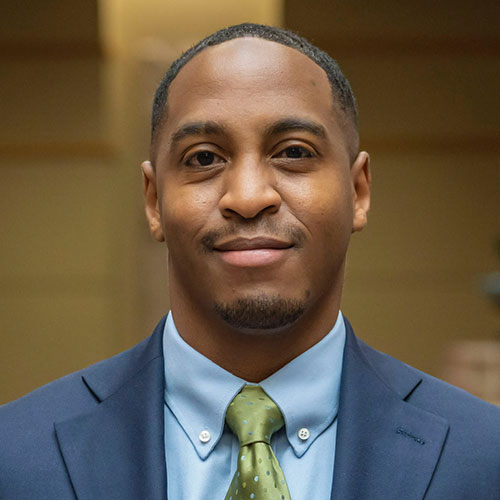
Jeremy is the Director of Litigation & Advocacy Partnerships at Earthjustice, and also serves as an Adjunct Professor at Michigan State University College of Law, where he teaches Water Law. Jeremy has spent much of his career working on water justice, water policy, and environmental governance. Prior to joining Earthjustice, he served as the Senior Attorney with the Safe Water Initiative at the Natural Resources Defense Council (NRDC), where he worked on legal and policy efforts to advance access to safe, affordable drinking water and source water protection. He also previously served as Vice Chair of the Michigan Environmental Rules Review Committee and as a member of the U.S. Environmental Protection Agency's National Environmental Justice Advisory Council. His work has focused on ensuring equitable access to clean water and strengthening community participation in environmental decision-making throughout the country.
Elan Pochedly
Michigan State University
Laura Rubin
Healing Our Waters-Great Lakes Coalition
Laura Rubin
Laura has spent more than 35 years working on environmental protection, policy, and conservation issues. She is currently the Director of the Healing Our Waters—Great Lakes Coalition, which harnesses the collective power of over 200 groups whose common goal is to restore and protect the Great Lakes. The Coalition has a well-deserved reputation as a national leader in securing federal investment in regional ecosystem restoration efforts. Before that Rubin worked as executive director of the Michigan-based Huron River Watershed Council, a high-impact, high-visibility national leader in the field of watershed management. She currently serves as a board member to the Great Lakes Protection Fund and US EPA’s Great Lakes Advisory Board.
Melissa Scanlan
University of Wisconsin-Milwaukee
Melissa Scanlan
Melissa Scanlan is the Lynde B. Uihlein Endowed Chair in Water Policy, Professor, and the Director of the Center for Water Policy at UW-Milwaukee’s School of Freshwater Sciences. Previously, she served as Associate Dean of Environmental Law and Professor at Vermont Law School, Visiting Professor at Boston College Law School, and Fulbright Senior Scholar in Spain. Her publications include Water Law in a Nutshell (7th Ed. West, 2026); Prosperity in the Fossil-Free Economy: Cooperatives and the Design of Sustainable Businesses (Yale University Press, 2021); and a wide variety of law review articles and book chapters, available on SSRN.
Kathy Smith
Great Lakes Indian Fish & Wildlife Commission
Alan Steinman
Grand Valley State University
Alan Steinman
Alan (Al) Steinman is the Allen and Helen Hunting Research Professor of Grand Valley State University’s Annis Water Resources Institute (AWRI). Previously, he was Director of AWRI for 22 years, and before that, Director of the Lake Okeechobee Restoration Program at the South Florida Water Management District. Steinman has published over 200 scientific articles, book chapters, and books and has testified before the U.S. Congress and the Michigan and Florida state legislatures. Steinman currently is a member of the National Academy of Sciences Committee to Review Everglades Restoration. Al received his Ph.D. from Oregon State University and was awarded a Postdoctoral Research Fellowship from Oak Ridge National Laboratory.
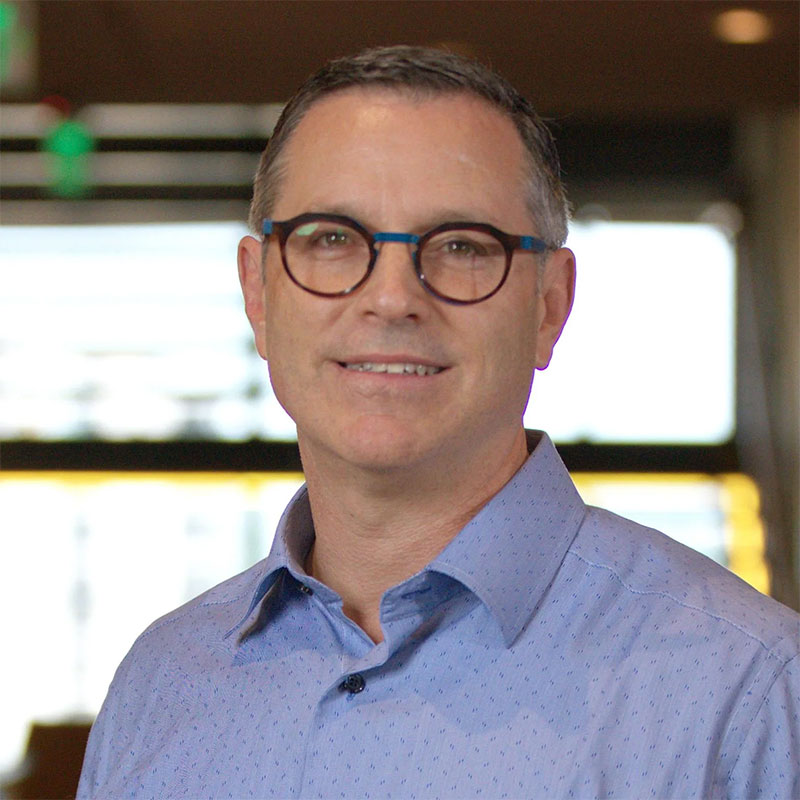
David Tulauskas
Ernst & Young
David Tulauskas
David Tulauskas is a Principal in EY’s Climate Change & Sustainability Services (CCaSS) practice advising clients on sustainable transformation and value creation. He brings 30+ years of global corporate experience, including a decade in Asia.
Prior roles include Chief Sustainability Officer at BlueTriton Brands (formerly Nestle Waters NA) and various leadership positions at General Motors. David is a recognized thought leader in sustainability/ESG and business transformation. He holds an International Executive MBA from Rutgers University (Shanghai), an MSc in Civil and Environmental Engineering from Wayne State University, and a BS in Mechanical Engineering from the University of Michigan.
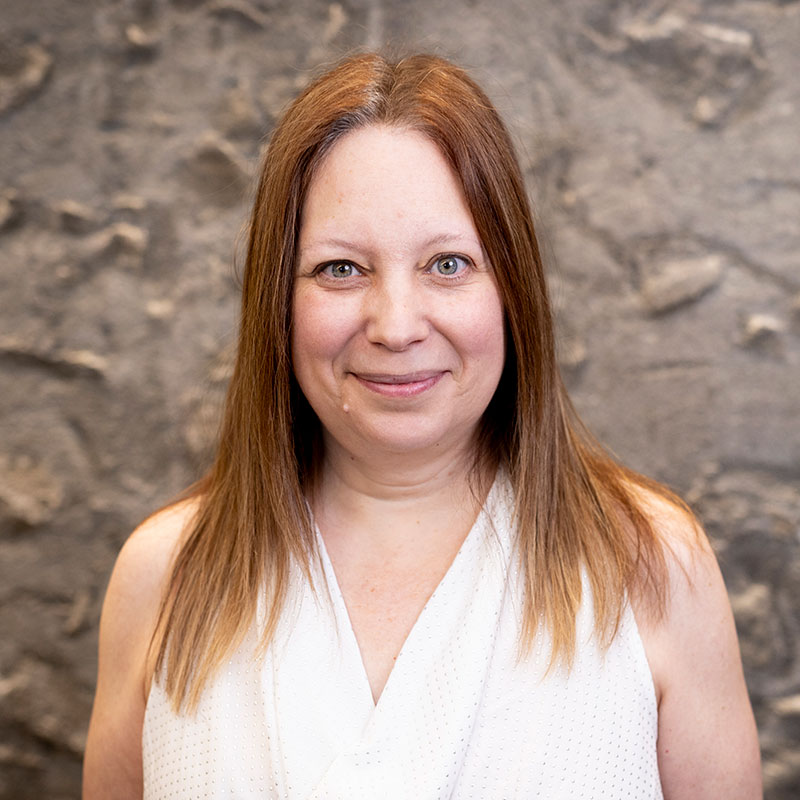
Marguerite (Maggie) Xenopoulos
Trent University
Marguerite (Maggie) Xenopoulos
Marguerite (Maggie) Xenopoulos is Professor and Tier 1 Canada Research Chair in Global Change of Freshwater Ecosystems at Trent University. She is a limnologist whose research examines how human activities influence freshwater ecosystems. Her work is characterized by interdisciplinary approaches, strong collaborations, and leadership of diverse research teams. A highly cited and well-funded scholar, her research informs scientific understanding, policy, and public discourse internationally. She is Editor-in-Chief of Journal of Geophysical Research: Biogeosciences and has received major awards from NSERC, the Association for the Sciences of Limnology and Oceanography, the American Geophysical Union, and other organizations.