Energizing Nepal: Developing a Research Agenda to Guide Sustainability Transitions
Energizing Nepal: Developing a Research Agenda to Guide Sustainability Transitions
Energizing Nepal: Developing a Research Agenda to Guide Sustainability Transitions
Program: Catalyst Grants
Program details » | All Catalyst Grants projects »
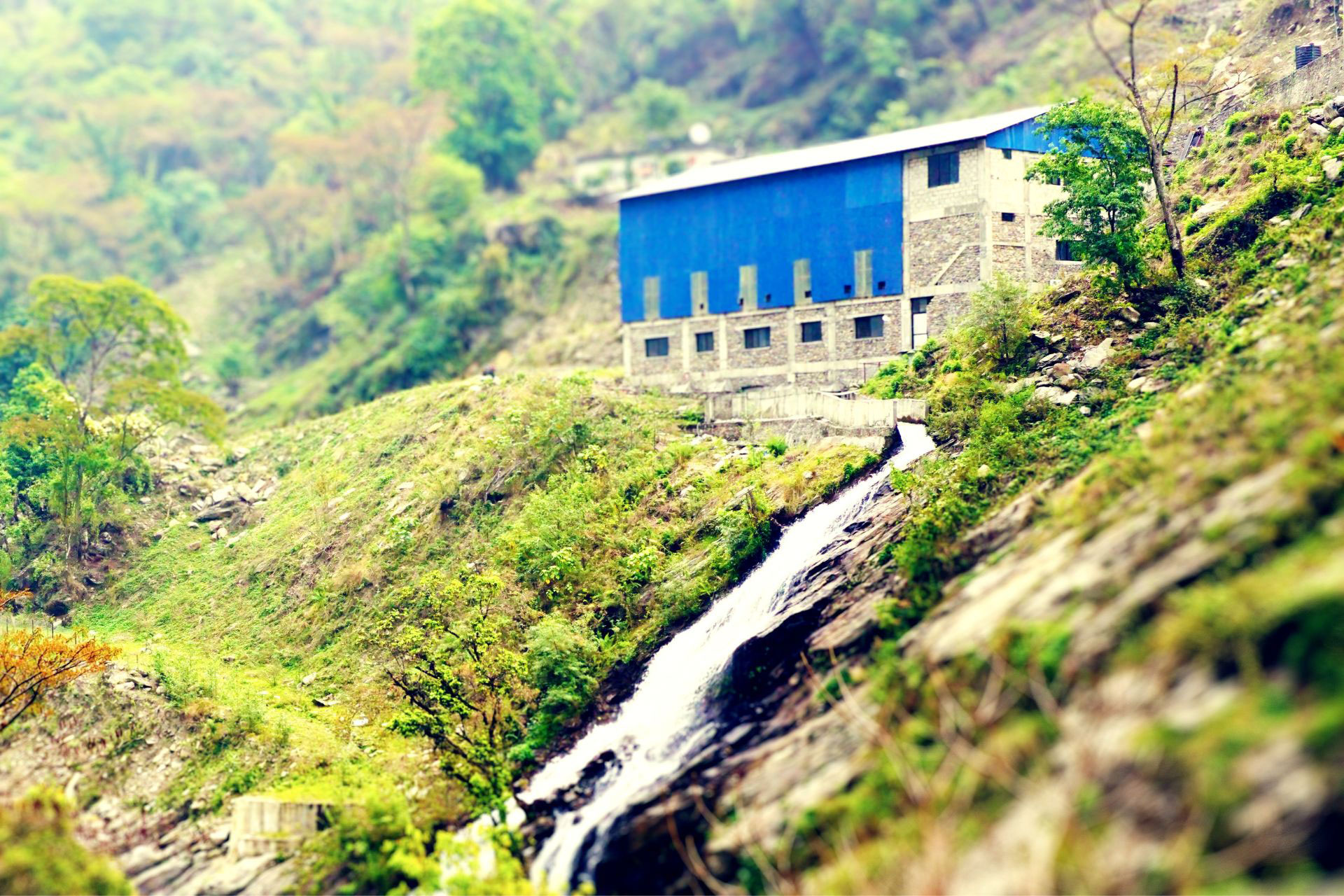
Project Summary
Nepal is transforming its energy landscape, moving from biomass and fossil fuels to renewable energy. However, whether this transition will increase energy access, reliability, affordability, and sustainability has remained an open question.
To clarify the research needed to understand the opportunities and challenges associated with the country’s energy transition, this research team conducted interviews and field visits with key organizations and stakeholders, along with a comprehensive literature review. By collaborating with Nepal's Ministry of Forest and Environment, the Institute for Environmental and Social Research, and the Resources Himalayan Foundation, they identified knowledge gaps and co-developed a research agenda to increase understanding of the energy transition in Nepal and its synergies and trade-offs with other sectors.
The project team used these inputs to produce a Country State of Knowledge Report, which offers a thorough overview of Nepal’s energy landscape, covering aspects such as energy access, supply and demand, policy, governance, and environmental connections.
Beyond presenting their findings at several major conferences, the team organized two webinars in collaboration with the Energy Transition and Climate Finance Working Group of the UR Field Lab to discuss Nepal’s energy transition with a broad set of stakeholders:
- Powering Nepal: Strengthening Energy Connectivity and Transmission Lines focused on the supply side of clean energy, and
- Fueling the Future: Clean Cooking Solutions for Nepal and Beyond addressed energy demand and household use.
This project promoted a robust collaborative research network between U-M units and key research and government organizations in Nepal, laying the foundation for future work. The team and partners also aim to disseminate the lessons learned from Nepal’s energy transition to other countries undergoing similar transitions, offering valuable insights into improving energy access, availability, and affordability.
This project received a $10,000 Catalyst grant in Fall 2023.
Project team: Pamela Jagger, PI (SEAS | U-M Ann Arbor); Rajiv Ghimire, Co-I (SEAS | U-M Ann Arbor); Uttam Sharma, Co-I (Center for Global Health Equity | Institute for Social Research).